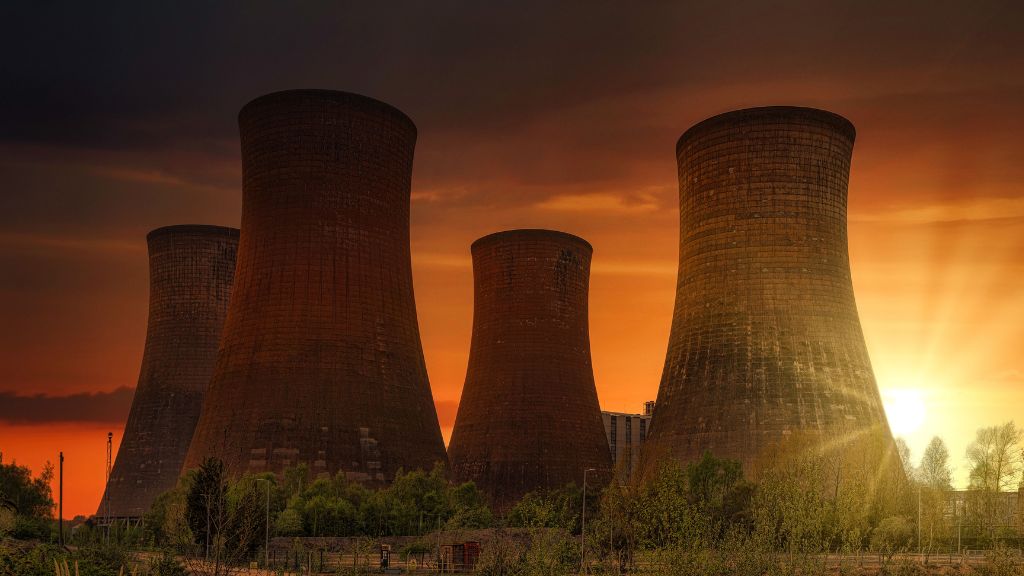
पिछले कुछ महीनों में Iran war crisis और Strait of Hormuz बंदी ने India को एक बड़ा lesson दिया है – energy dependency एक vulnerability है। इसी background में एक ऐतिहासिक खबर आई है। Tamil Nadu के Kalpakkam में India का Prototype Fast Breeder Reactor (PFBR) ने ‘criticality’ हासिल कर ली है – यानी पहली बार एक sustained nuclear chain reaction शुरू हुई है। यह India की energy story में एक milestone है।
Fast Breeder Reactor क्या है – Simple भाषा में
Regular nuclear power plants uranium को जलाकर electricity बनाते हैं – और nuclear waste produce करते हैं। Fast Breeder Reactor एक advanced technology है जो:
- Regular reactors के nuclear waste (spent fuel) को fuel के रूप में use करता है
- Use करने से ज़्यादा fuel produce करता है – इसीलिए ‘breeder’ कहते हैं
- India के thorium reserves का उपयोग करने का रास्ता खोलता है
- Long-term में सस्ती और sustainable electricity का स्रोत बन सकता है
Criticality का मतलब क्या है?
Nuclear engineering में ‘criticality’ का मतलब है कि reactor में एक self-sustaining nuclear chain reaction शुरू हो गई है – यह reactor के काम करने का पहला और सबसे ज़रूरी step है। यह वो moment है जैसे किसी engine को पहली बार start किया जाए। Criticality के बाद अगला step है controlled electricity production।
India के लिए यह क्यों ऐतिहासिक है?
Indigenous Technology: यह reactor पूरी तरह Indian technology से बना है – Bharat Heavy Electricals Limited (BHEL) और other Indian companies ने इसे design और construct किया। यह Make in India का nuclear version है।
Thorium का रास्ता: India के पास दुनिया के सबसे बड़े Thorium reserves हैं – estimated 25% of world’s total। Fast breeder technology eventually thorium-based nuclear fuel तक ले जाती है जिससे India ‘energy independent’ हो सकता है।
Iran Crisis का Lesson: जब Hormuz बंद था तो India को oil supply के लिए दूसरों पर depend करना पड़ा। Nuclear energy domestic है – किसी strait या conflict से प्रभावित नहीं होती।
सामान्य नागरिक पर क्या असर होगा?
यह short-term में immediate impact नहीं देगा। Nuclear plants को commercial operation तक जाने में 5-10 साल लगते हैं। लेकिन long-term में:
- India की electricity mix में nuclear का हिस्सा बढ़ेगा – स्थिर, 24/7 carbon-free power
- Oil और gas imports पर dependence कम होगी – energy security बढ़ेगी
- Electricity costs long-term में stable रहेंगे – oil price volatility से आज़ादी
- India का climate commitments पूरे करना आसान होगा
India का Nuclear Power Ambition
| India का Nuclear Plan | Target | Current Status |
| Current nuclear capacity | ~7,500 MW | ~22 reactors operational |
| 2032 target | 22,480 MW | Plans in advanced stage |
| 2047 target | 1,00,000 MW | Long-term vision |
| Fast Breeder Reactors planned | 5-6 more | Kalpakkam PFBR first |
अक्सर पूछे जाने वाले सवाल
Q: Kalpakkam Fast Breeder Reactor से कब बिजली मिलेगी?
Criticality हासिल करना पहला step है। इसके बाद graduated power increase, testing, और commissioning होती है। Kalpakkam PFBR से commercial electricity production 2-3 साल में शुरू हो सकती है। यह 500 MW electricity produce करेगा – approximately 5 lakh घरों की ज़रूरत के बराबर।
Q: क्या Nuclear Energy Safe है?
आधुनिक nuclear reactors बहुत advanced safety systems के साथ आते हैं। India का nuclear program AERB (Atomic Energy Regulatory Board) द्वारा regulated है। Fast Breeder Reactors में कुछ inherent safety advantages भी हैं traditional reactors के मुकाबले। हालांकि nuclear energy के बारे में public concerns valid हैं और transparency ज़रूरी है।
Q: India के Thorium reserves कहाँ हैं?
India के Thorium reserves मुख्यतः Kerala, Tamil Nadu, Andhra Pradesh, और Odisha के coastal areas में monazite sand के रूप में पाए जाते हैं। India के पास estimated 3,19,000 tonnes of thorium reserves हैं – दुनिया में सबसे ज़्यादा। Fast Breeder technology इस thorium को ultimately fuel के रूप में use करने का रास्ता खोलती है।