
Electric scooters are no longer a “future” thing in India. They’re everywhere. And if I’m being honest, one name that quietly built serious trust in this space is TVS Motor Company.
Now everyone is talking about the TVS iQube 2026 Launch. And to be honest, I think this update could be bigger than most people expect.
If you’re planning to buy an electric scooter next year, or you’re just curious whether it’s worth waiting for the 2026 model, sit back. Let’s break this down properly — price expectations, new features, battery range, design changes, competition, and whether we should actually be excited.
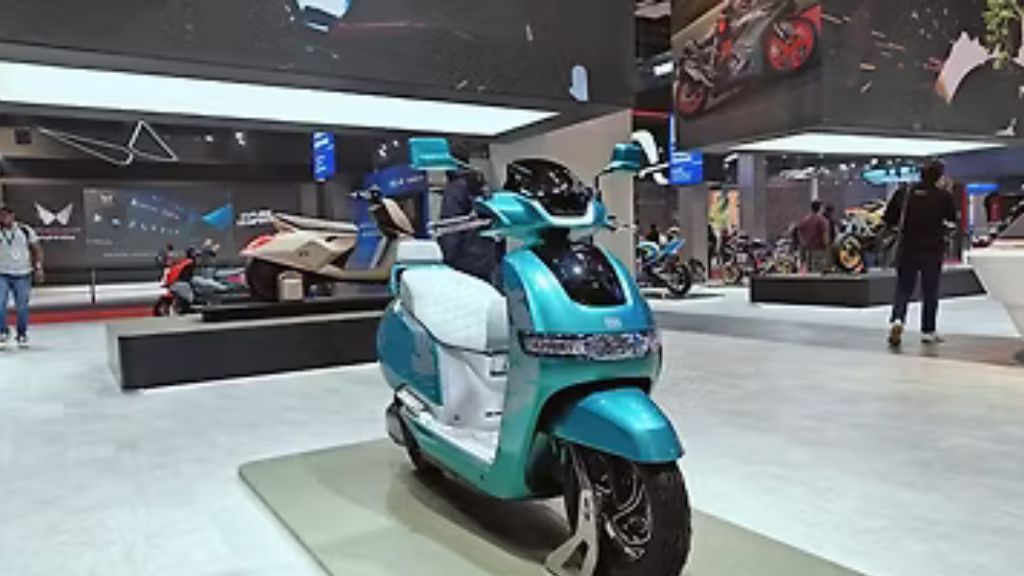
Why the TVS iQube Matters in India’s EV Market
Honestly speaking, when electric scooters first entered India, people were unsure. Range anxiety, battery safety concerns, and lack of service network were real issues.
But TVS didn’t rush. They built the iQube slowly and carefully.
The current TVS iQube has already proven itself as a reliable option. It’s not flashy for no reason. It’s practical. Family-friendly. And backed by a trusted brand.
That’s why the 2026 launch matters. It’s not just another facelift. It could define how mainstream electric scooters evolve in India.
TVS iQube 2026 Launch Date (Expected)
There is no official confirmation yet. But based on product cycles and industry patterns, we can expect:
- Possible unveiling: Late 2025
- Market launch: Early to mid 2026
TVS usually updates products strategically around festive seasons. So I wouldn’t be surprised if we see a launch around January–March 2026.
And yes, if we look at how EV adoption is growing in cities like Delhi, Bengaluru, and Pune, timing feels perfect.
Expected Price of TVS iQube 2026 in India
Let’s talk money. Because that’s what most of us care about first.
The current iQube variants range roughly between ₹1 lakh to ₹1.4 lakh (ex-showroom depending on variant and state subsidies).
For 2026, I expect:
- Base Variant: ₹1.10 – ₹1.20 lakh
- Mid Variant: ₹1.30 – ₹1.45 lakh
- Top Variant (extended range): ₹1.50 – ₹1.65 lakh
Of course, subsidies under FAME or state EV policies could change effective prices.
To be honest, if TVS manages to offer better range without a huge price hike, that’s where the real win will be.
Design Changes: Subtle or Bold?
Here’s where things get interesting.
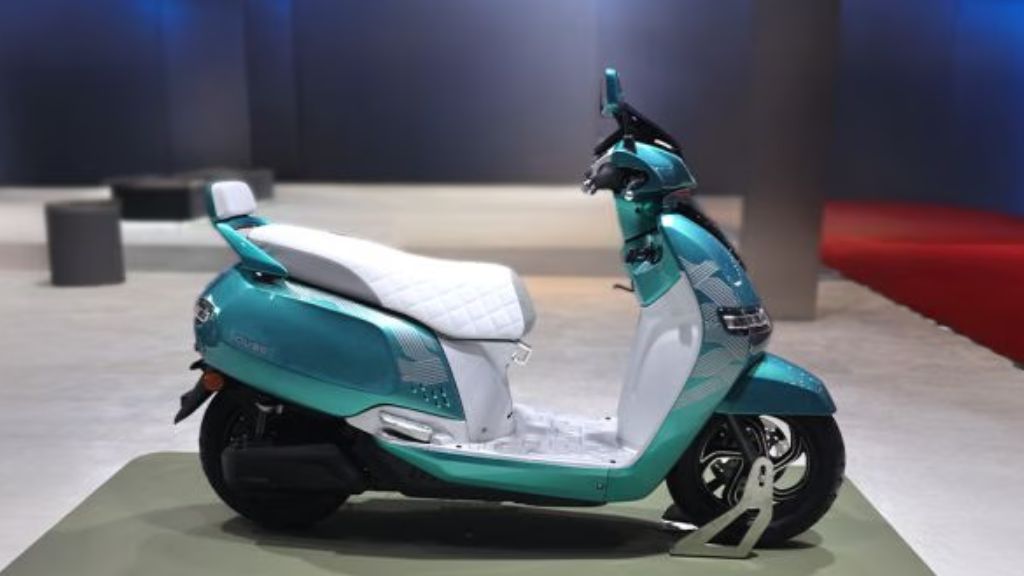
The iQube has always been clean and simple in design. Not aggressive. Not over-styled. Just neat.
For 2026, I’m expecting:
- Sharper LED headlamp setup
- Refreshed front apron styling
- New alloy wheel design
- More vibrant color options
- Slightly improved seat ergonomics
I don’t think TVS will go crazy with futuristic design. That’s not their style. And honestly, that’s good.
The best part is — iQube buyers are usually family-oriented riders. They want something elegant, not flashy.
Battery & Range: The Real Game Changer
Now let’s talk about what really matters — range.
Current iQube models offer around 100–140 km (IDC claimed range depending on variant).
For the 2026 model, I strongly believe we could see:
- Larger battery pack option
- Real-world range around 120–160 km
- Improved thermal management
- Faster charging time
And honestly speaking, if TVS pushes real-world range close to 150 km consistently, that changes everything for office commuters.
Range anxiety disappears when you can ride 4–5 days without charging.
Charging Time Expectations
Charging infrastructure is slowly improving in India.
The 2026 iQube could offer:
- Standard home charging (0–80%) in 4–5 hours
- Faster optional charger support
- Smart charging management via app
If TVS integrates better battery health monitoring, that would add serious long-term value.
Smart Features & Connectivity
Let’s be real. Today’s buyers love screens and apps.
The current iQube already offers a TFT display and connected features. But in 2026, I expect upgrades like:
- Larger touchscreen display
- Enhanced navigation with live traffic
- Geo-fencing
- Ride analytics
- OTA software updates
- Smart reverse assist
And surprisingly, TVS’s app ecosystem is already quite polished compared to some startups.
If they improve UI smoothness and add voice assist, that would be impressive.
Performance & Riding Experience
Most urban riders don’t need crazy speed. They need smooth pickup and stability.
Expected performance for 2026:
- Top speed around 78–85 km/h
- Improved acceleration tuning
- Better suspension setup
- Enhanced braking system
Honestly speaking, TVS has always focused on ride quality. I expect the 2026 version to feel more planted and comfortable over Indian roads.
Safety Features We Might See
Battery safety is non-negotiable.
For 2026, possible improvements:
- Advanced BMS (Battery Management System)
- Improved waterproofing
- Regenerative braking refinement
- Side-stand motor cut-off
- Anti-theft alerts
TVS has a strong engineering background. I don’t see them compromising here.
Competition in 2026
Let’s not ignore the rivals.
The iQube 2026 will compete with:
- Ola S1 Pro
- Ather 450X
- Bajaj Chetak
Each has strengths.
Ola focuses on tech and aggressive pricing.
Ather focuses on performance and premium feel.
Bajaj banks on heritage.
To be honest, TVS sits comfortably in the middle — reliable, balanced, practical.
And that’s a powerful position.
Why I Personally Think 2026 Is a Big Year for iQube
EV adoption is no longer experimental in India.
Petrol prices are unpredictable. Maintenance costs are rising. Cities are pushing for cleaner mobility.
And here’s the thing — people now trust established brands more than new EV startups.
TVS already has:
- Wide service network
- Strong manufacturing base
- Brand trust in Tier 2 & Tier 3 cities
If they nail battery range and pricing in 2026, the iQube could dominate mainstream buyers.
Who Should Wait for TVS iQube 2026?
You should consider waiting if:
- You want improved range
- You care about resale value
- You trust traditional brands
- You want stable after-sales support
But if you urgently need a scooter right now, the current model is still solid.
10 Frequently Asked Questions (FAQs)
1. When will TVS iQube 2026 launch in India?
The expected launch timeline is early to mid 2026, though official confirmation is pending.
2. What is the expected price of TVS iQube 2026?
It may start around ₹1.10 lakh and go up to ₹1.65 lakh depending on the variant.
3. What range can we expect from TVS iQube 2026?
Expected real-world range could be between 120–160 km depending on battery option.
4. Will TVS iQube 2026 support fast charging?
It is likely to offer improved charging speeds and possibly optional fast charging support.
5. Is TVS iQube 2026 suitable for long daily commutes?
Yes, especially if the upgraded battery offers 150 km range.
6. Will the 2026 model have a touchscreen display?
There is a strong possibility of a larger and more advanced TFT touchscreen.
7. How does it compare to Ola S1 Pro?
TVS focuses more on reliability and service network, while Ola emphasizes aggressive tech and features.
8. Is TVS iQube safe in terms of battery technology?
TVS uses advanced battery management systems and is known for strong engineering safety standards.
9. Should I wait for the 2026 model?
If you want improved range and features, waiting could be a smart decision.
10. Is TVS iQube good for family use?
Yes, its comfortable seating and smooth ride make it family-friendly.
My Final Thoughts
I’ll be honest with you.
The electric scooter market is getting crowded. New brands keep launching flashy products. But trust? That takes time.
TVS already has that trust.
If the TVS iQube 2026 Launch delivers better range, smarter connectivity, and competitive pricing without compromising reliability, we might be looking at one of the most sensible EV purchases of the year.
And honestly speaking, sometimes sensible wins over flashy.
If you’re planning to buy an EV scooter in 2026, this is one model I would personally keep on my radar.