
Kapil Dev is remembered as one of the most influential figures in Indian cricket. As captain, he led India to its first men’s Cricket World Cup title in 1983, a victory that changed how the country viewed its place in international cricket. His contribution was not limited to leadership. He was a genuine all-rounder who could take important wickets, score valuable runs and lift the team during difficult moments.
Interest in Kapil Dev net worth remains strong because his story did not end when he retired from international cricket. Over the years, he became involved in brand endorsements, television and media appearances, public speaking, golf-related ventures and other business activities. This mix of sport and entrepreneurship has led to estimates that place his wealth in the hundreds of crores.
In 2026, some Indian media reports estimated Kapil Dev’s net worth at around ₹250 crore to ₹270 crore. These figures are estimates, not an audited statement of his personal finances. The public does not have a complete record of his investments, liabilities, taxes or the current market value of every asset. It is therefore more responsible to present the range as a reported estimate rather than a confirmed total.
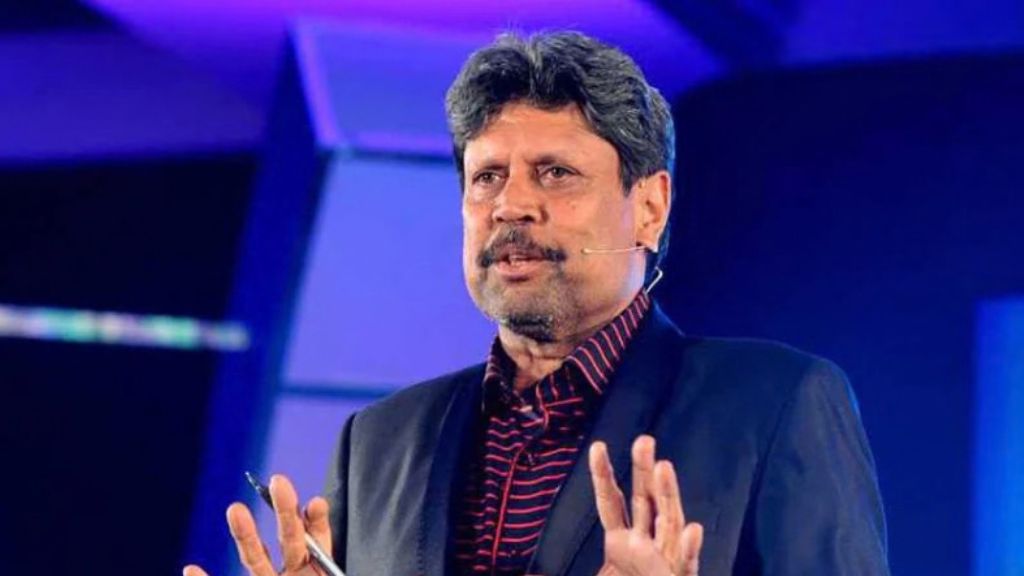
This article explores the factors behind those estimates, from his cricketing achievements and post-retirement work to his business interests, endorsements and reported lifestyle. It also explains why net-worth figures can differ between websites and why his legacy cannot be measured by money alone.
Kapil Dev Net Worth in 2026
Kapil Dev’s estimated net worth in 2026 is commonly reported in the range of ₹250 crore to ₹270 crore. The exact amount cannot be independently confirmed from publicly available financial records. Different entertainment and business publications use different methods to arrive at a figure, and some may repeat earlier estimates without explaining how the calculation was made.
Net worth is the value of a person’s assets after subtracting liabilities. It is not the same as total career earnings, yearly income or the market value of one business. A person may have property, shares, private investments and business interests, but those assets can also come with expenses, loans, taxes and other obligations. Without a verified balance sheet, outsiders cannot know the precise total.
The estimates associated with Kapil Dev reflect a long sporting career and decades of activity beyond cricket. He earned recognition in an era when international players generally did not receive the enormous league salaries and sponsorship deals that top cricketers can access today. However, his status as the captain of India’s 1983 World Cup-winning side gave him a lasting public profile. That reputation created commercial opportunities long after he stopped playing.
A useful way to understand his wealth is to consider the different stages of his career. His playing years built his reputation; his work as a coach, commentator and public figure kept him visible; and business activities helped diversify his professional life. Each of these may have contributed to his financial position, although the precise share from each source is not publicly disclosed.
Quick Facts About Kapil Dev
Kapil Dev, whose full name is Kapil Dev Nikhanj, was born on 6 January 1959 in Chandigarh, India. He became known as a right-handed batter and right-arm fast-medium bowler, making him one of the most effective all-rounders of his generation. He represented Haryana in domestic cricket and India at international level.
His greatest team achievement came in 1983, when India won the Cricket World Cup under his captaincy. The final against the West Indies at Lord’s became a landmark moment in Indian sporting history. Kapil’s tournament performances, including his memorable 175 not out against Zimbabwe during the group stage, are still discussed by cricket fans.
Kapil Dev retired from international cricket in 1994. By the end of his playing career, he had become one of India’s leading wicket-takers and a respected figure in world cricket. He later worked as India’s national coach for a period and continued to appear in media, advertising and business settings.
He received several honours for his sporting contribution, including the Padma Shri in 1982 and the Padma Bhushan in 1991. In 2002, he was named Indian Cricketer of the Century in a poll organised by Wisden India. These milestones strengthened his reputation as more than a former captain: he became a lasting symbol of Indian cricket’s growth.
Early Life and the Beginning of His Cricket Journey
Kapil Dev’s rise began in northern India, where he developed his cricket skills before becoming a household name. He was not a product of today’s high-value franchise system. His early career developed through domestic cricket, selection opportunities and performances that demonstrated his potential as a fast bowler and aggressive batter.
During the 1970s, Indian cricket relied heavily on spin bowling, and a fast-bowling all-rounder who could contribute with the bat offered the team a valuable combination. Kapil’s pace, energy and attacking approach made him stand out. He made his international debut in 1978 and quickly showed that he could compete at the highest level.
The early part of his career was about establishing consistency. He had to learn to manage long spells, contribute with the bat and adapt to different pitches and opponents. Those experiences helped him grow into a player who could influence a match in more than one way.
His financial journey also needs to be viewed in the context of the period in which he played. Cricket was already popular, but the commercial ecosystem was much smaller than it is now. Television rights, global sponsorships and franchise leagues later transformed the sport’s finances. Kapil’s lasting name recognition helped him benefit from opportunities that emerged after his playing years, even though his original playing career took place in a very different era.
The 1983 World Cup: The Moment That Changed Everything
The 1983 World Cup remains the defining chapter of Kapil Dev’s career. India entered the tournament without being widely considered the favourite, yet the team went on to defeat the West Indies in the final at Lord’s. That win became a turning point for Indian cricket and helped inspire future generations of players.
Kapil’s leadership was central to the campaign. His 175 not out against Zimbabwe, played when India were in serious trouble, is one of the most famous innings in the tournament’s history. At the time, the match was not televised, so the performance became legendary through accounts, scorecards and recollections. His captaincy combined belief with the willingness to fight when the situation looked bleak.
The victory increased his profile across India. A World Cup-winning captain became a familiar face to sports fans, advertisers and television audiences. Such recognition can create commercial opportunities, including endorsements, event invitations, interviews and speaking engagements. These activities may continue long after an athlete retires.
It is not possible to assign a precise rupee value to the World Cup win’s impact on Kapil’s net worth. The tournament did not instantly create the kind of wealth associated with modern global sports contracts. Its more lasting effect was that it established a reputation and public connection that endured for decades. That long-term recognition helped create a platform for his later professional work.
Cricket Career and Achievements
Kapil Dev’s value as a player came from his ability to contribute with both bat and ball. He was a fast-bowling all-rounder who could break partnerships, swing the ball and score attacking runs. At a time when India needed reliable pace options, his performances were particularly important.
He played 131 Test matches and 225 One Day Internationals for India. In Test cricket, he scored more than 5,000 runs and took 434 wickets, becoming the leading wicket-taker in Test cricket when he retired. He was also one of the rare players to combine substantial batting and bowling records at the highest level.
Those achievements helped keep him in public conversation even after retirement. Former players with a strong legacy may be invited to commentary panels, cricket events, corporate functions and sports-related discussions. Their knowledge and name recognition can be valuable to broadcasters, organisers and sponsors.
Kapil’s career also helped establish his credibility beyond entertainment. When a former athlete speaks about leadership, preparation, resilience or teamwork, the message can draw on real experience rather than celebrity alone. That credibility is one reason his professional opportunities extended into business and public appearances.
While cricket formed the foundation of his public profile, it is important not to confuse career statistics with financial disclosure. Match fees and playing allowances from his era were very different from modern contracts. His later income streams and business interests are a key part of why current net-worth estimates are much higher than what a simple calculation of historical cricket earnings would suggest.
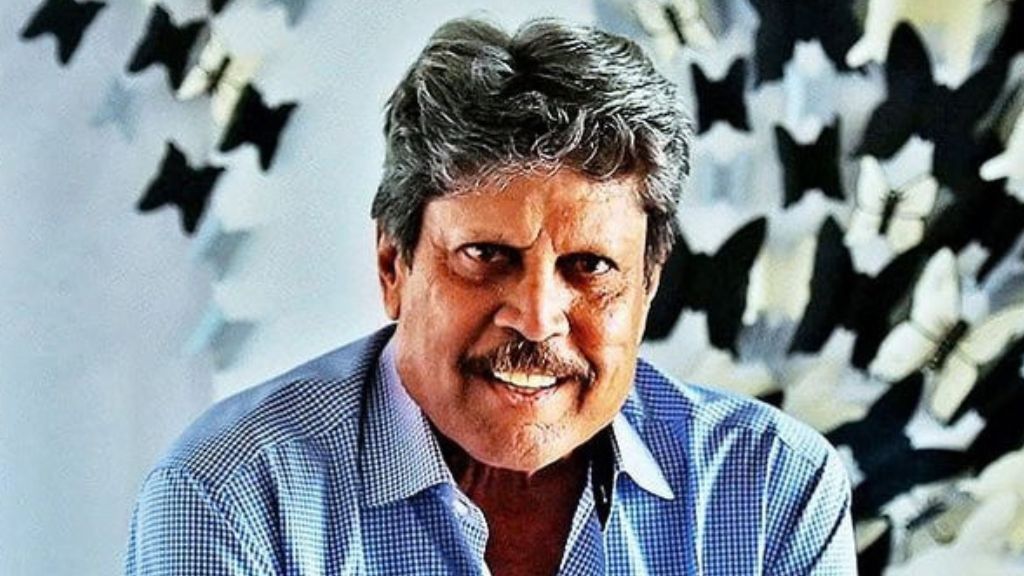
Main Sources of Kapil Dev’s Income
Kapil Dev’s reported wealth is generally associated with several professional sources rather than one fixed salary. His playing career created his reputation, while post-retirement work helped him remain commercially relevant.
**1. Cricket-related work:** After retiring, Kapil remained connected with the game through coaching, commentary, analysis and appearances. The exact income from these activities varies by assignment and is not publicly disclosed in full.
**2. Brand endorsements:** Established athletes can earn fees by appearing in advertising campaigns, representing a brand or participating in promotional events. Kapil’s status as a World Cup-winning captain has made him recognisable to audiences across generations. Historical reporting has discussed his endorsement earnings, although old figures should not be treated as a current annual salary.
**3. Public speaking and corporate events:** Businesses and organisations sometimes invite prominent sports figures to speak about leadership, teamwork and handling pressure. Kapil’s experience as a captain gives him a strong connection to those themes. Fees can depend on the event, duration and agreement, so a precise rate should not be assumed without confirmation.
**4. Business interests:** Media coverage over the years has associated Kapil with ventures outside cricket, including golf-related projects and businesses connected with lighting and other commercial activities. Business income can change from year to year and depends on ownership, costs and performance.
**5. Media and entertainment appearances:** Television appearances, interviews, special programmes and cricket-related events may offer additional paid work. These assignments are separate from the income he earned while playing for India.
Taken together, these activities help explain why his estimated net worth is discussed as a substantial amount. However, the public does not have a complete breakdown showing how much came from each source, so any detailed income split would be speculative.
Kapil Dev’s Business Ventures
Kapil Dev has been described in media profiles as a former sportsman who built business interests beyond the cricket field. This side of his career receives less attention than the 1983 World Cup, but it helps explain how he remained professionally active after retirement.
Historical business reporting has linked him with interests in areas such as stadium lighting, consultancy and golf-course development. Golf has been a visible interest for Kapil, and his involvement in golf-related projects has connected his sporting reputation with a different business audience. Some reports have described his work around golf course design and related ventures.
More recent coverage in 2026 described a business portfolio valued at around ₹270 crore. That headline figure should not automatically be interpreted as a verified personal net worth. A business portfolio’s reported value may refer to the estimated value of ventures or assets, and the underlying ownership, liabilities and valuation method may not be fully public.
It is also important to distinguish between owning a business, being associated with a venture and receiving income from it. A public figure may serve as a promoter, consultant, investor or brand ambassador, and each arrangement has different financial implications. Without full disclosures, the precise structure of every reported business interest cannot be established.
What is clear is that Kapil’s career demonstrates one route available to successful athletes: using the credibility built in sport to explore work in other industries. His name, experience and public recognition can create introductions and opportunities, but running a successful business still involves commercial risk, investment decisions and long-term management.
Endorsements and Public Appearances
Endorsements have been an important part of the commercial lives of many famous cricketers. Kapil Dev became widely recognisable during a period when televised cricket and national advertising were expanding. His reputation as a successful captain and energetic all-rounder made him familiar to audiences beyond regular cricket followers.
A 2007 report in The Economic Times discussed Kapil’s earnings from endorsements, speaking engagements, consulting and coaching, citing a figure of ₹14.5 crore over the preceding year. The same report also noted that industry observers disagreed about the size of those earnings. This historical example is useful because it shows both the commercial value of his public profile and the difficulty of verifying reported celebrity income.
That 2007 figure should not be presented as his current annual income. It related to a particular period and was reported amid debate about the estimates. Earnings from endorsements depend on the number of campaigns, the length of the agreement, the brand category and the level of public activity during a given year.
For a former athlete, public appearances can also be valuable because the audience is often interested in the person’s experiences, not only their current sporting performance. Kapil’s role in one of India’s most important cricket victories gives him a story that remains relevant to sports fans, students and corporate audiences.
These opportunities can contribute to long-term financial stability, but they do not provide enough information to calculate an exact net worth. They are one part of a larger financial picture that includes private investments, business interests and expenses.
Property and Lifestyle
Kapil Dev’s lifestyle and property holdings attract interest because he has remained a prominent figure for decades. Media coverage has described his Delhi residence in the Sundar Nagar neighbourhood, an established area known for its central location and residential character. Reports and photo features have highlighted the home’s classic design and personal details connected with cricket.
However, the value of a property should not be stated as a confirmed asset value unless supported by a reliable transaction or disclosure. Real-estate prices vary with location, plot size, building condition, ownership structure and the date of valuation. A home’s estimated market price also does not mean the owner has that amount in cash.
The same caution applies to reports about cars, other homes or personal possessions. Celebrity lifestyle articles may focus on visible items, but they rarely provide a full and verified inventory. It is better to discuss publicly reported information in general terms than to publish exact asset totals based on assumptions.
Kapil’s public profile has often reflected a mix of sport, business and leisure. Golf has been a recurring interest, and it has also connected with some of his professional ventures. His lifestyle is not the most reliable way to calculate his wealth, because a person can own valuable assets without displaying them conspicuously.
For readers researching Kapil Dev net worth, property is relevant as one possible component of assets. Still, the final net-worth estimate depends on all assets and liabilities together, not just a home or a collection of possessions.
Awards, Recognition and Lasting Influence
Kapil Dev’s awards and public recognition reflect the impact he had on Indian sport. He received the Padma Shri in 1982 and the Padma Bhushan in 1991. He was also named Indian Cricketer of the Century in 2002, recognising his importance to the game across generations.
His greatest legacy remains India’s 1983 World Cup triumph. Before that victory, India had not won the men’s World Cup, and the achievement helped change expectations around Indian cricket. The win encouraged greater public interest and became part of the story of how the sport grew commercially and culturally in the country.
The influence of a sporting legend is difficult to measure financially. Recognition can support endorsements, invitations and business opportunities, but the more significant legacy may be the inspiration a player provides to others. Kapil’s performances demonstrated that Indian teams could challenge established cricket powers and win on the biggest stage.
He also helped popularise the role of the fast-bowling all-rounder in Indian cricket. His records and performances remained points of reference for later generations. That lasting relevance has kept him in public discussions long after retirement.
Net worth articles often reduce a famous person’s story to a number, but Kapil Dev’s importance is rooted in more than money. His financial success is one part of a broader life that includes a landmark sporting achievement, decades of public recognition and work beyond the playing field.
Why Net Worth Estimates Differ
Online estimates of Kapil Dev’s wealth vary. Some reports in 2026 place the figure around ₹250 crore, while other coverage has cited approximately ₹270 crore. These numbers are not necessarily based on the same methodology, and they should not be treated as official financial disclosures.
One reason for the variation is that publishers may use different definitions. A report might estimate personal net worth, while another may refer to the value of a business portfolio or a broad collection of assets. Some websites repeat figures from older articles, while others add their own estimates for property, endorsements or investments.
Another issue is that private financial information is rarely public. An exact calculation would require reliable details about all assets, ownership shares, debts, tax obligations, ongoing expenses and business liabilities. Without these details, a precise number is not possible.
Annual income is also different from net worth. Someone may earn several crore rupees in a year but spend, invest or donate part of that amount. At the same time, an asset such as property may rise in value even when it does not generate a regular cash income.
For these reasons, the ₹250 crore–₹270 crore range is best described as a media-reported estimate for 2026. Clear qualification protects readers from confusing an approximate figure with a verified fact.
Frequently Asked Questions About Kapil Dev Net Worth
1. What is Kapil Dev’s net worth in 2026?
Some media reports estimate his net worth at around ₹250 crore to ₹270 crore. The exact amount is not publicly verified, so the figure should be treated as an estimate.
2. How did Kapil Dev make his money?
His wealth is generally linked to his cricket career, endorsements, media work, public appearances and business interests after retirement.
3. Was Kapil Dev a successful businessman?
Media profiles have associated him with ventures outside cricket, including golf-related projects and commercial businesses. The full financial details of these ventures are not publicly available.
4. How much did Kapil Dev earn from endorsements?
His endorsement income has varied over time. A 2007 report discussed earnings from endorsements and other work, but that historical figure should not be treated as his current annual income.
5. Does Kapil Dev own a house in Delhi?
Media coverage has described his residence in Delhi’s Sundar Nagar neighbourhood. A verified current market valuation is not publicly established here.
6. What was Kapil Dev’s biggest cricket achievement?
He captained India to its first men’s Cricket World Cup title in 1983, defeating the West Indies in the final at Lord’s.
7. When did Kapil Dev retire from international cricket?
He retired from international cricket in 1994.
8. How many wickets did Kapil Dev take in Test cricket?
He took 434 Test wickets and scored more than 5,000 Test runs during his career.
9. What awards did Kapil Dev receive?
Among his honours are the Padma Shri in 1982, the Padma Bhushan in 1991 and recognition as Indian Cricketer of the Century in 2002.
10. Is Kapil Dev’s ₹270 crore net worth confirmed?
No. The ₹270 crore figure appears in media coverage and should be understood as an estimate, not a confirmed personal financial statement.
Conclusion
Kapil Dev’s estimated net worth in 2026 is reported by some publications to be around ₹250 crore to ₹270 crore. Because private assets, business ownership and liabilities are not fully disclosed, the figure cannot be treated as exact. It is best understood as a broad media estimate based on his long career and reported business activities.
His financial journey began with cricket, but his public life continued through endorsements, media work, speaking engagements and business ventures. The 1983 World Cup victory gave him a reputation that remained valuable long after retirement, creating opportunities across different industries.
Still, Kapil Dev’s legacy is much bigger than a net-worth headline. He captained India to a historic world title, performed as an outstanding all-rounder and helped change the ambitions of Indian cricket. His story shows how sporting achievement can create lasting recognition, while also reminding readers that online financial estimates should always be approached with care.