
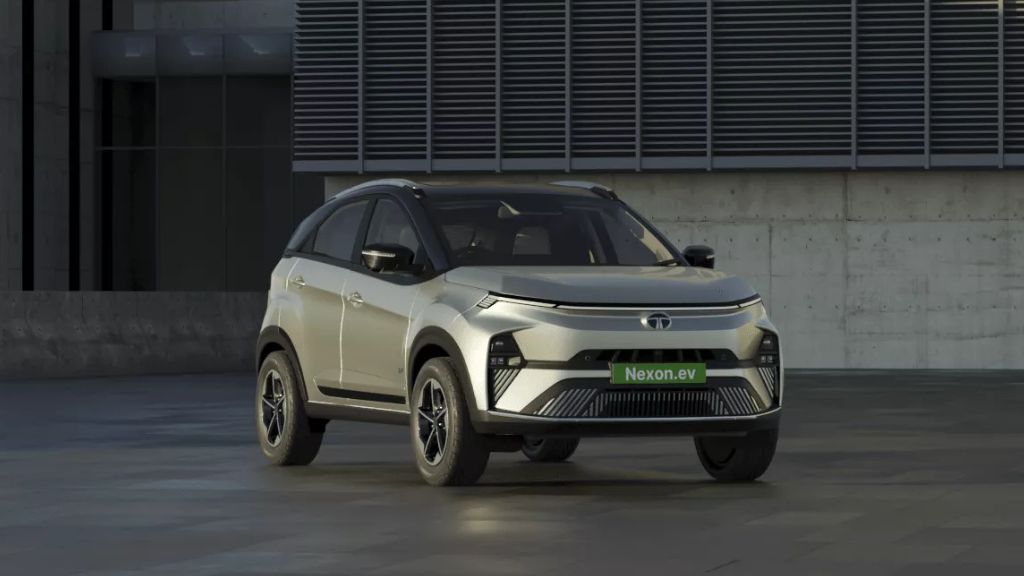
If you ask me which electric SUV has truly changed the game in India, I’ll say it without hesitation — the Nexon EV. And now, the Tata Nexon EV 2026 is creating serious buzz.
Honestly speaking, we’ve reached a point where electric cars are no longer just about “saving fuel money.” They’re about smart tech, long range, comfort, and that smooth silent drive we secretly love.
So what can we expect from the 2026 version? Better range? New battery tech? Faster charging? A fresher design?
Let’s talk about everything — like two car enthusiasts sitting over chai.
Why Tata Nexon EV Became So Popular in the First Place
Before we jump into 2026 expectations, we need to understand why this car became a bestseller.
Tata Motors took a bold step when most brands were still “thinking” about EVs. Instead of waiting, they launched an affordable electric SUV that actually worked for Indian roads.
And to be honest, that decision changed the market.
Here’s why people love it:
- Affordable compared to other EV SUVs
- Strong safety ratings
- Reliable battery
- Low maintenance
- Solid real-world range
The best part is, it didn’t feel like a compromise. It felt like a normal SUV — just electric.
Tata Nexon EV 2026: What’s Expected?
Now let’s talk about the real question — what will the 2026 model bring?
Nothing is officially confirmed yet, but based on trends and upgrades seen globally, here’s what I genuinely expect.
1. Improved Battery Technology
Battery tech is evolving fast.
The 2026 Nexon EV could come with:
- Higher energy density battery pack
- Improved thermal management
- Better long-term battery health
Surprisingly, range anxiety is already reducing in India. If Tata pushes the range close to 500 km (claimed), that would be a massive upgrade.
Realistically, we might see:
- 420–500 km claimed range
- 350–420 km real-world driving range
And for daily city driving? That’s more than enough.
2. Faster Charging Capability
Charging speed matters more than range sometimes.
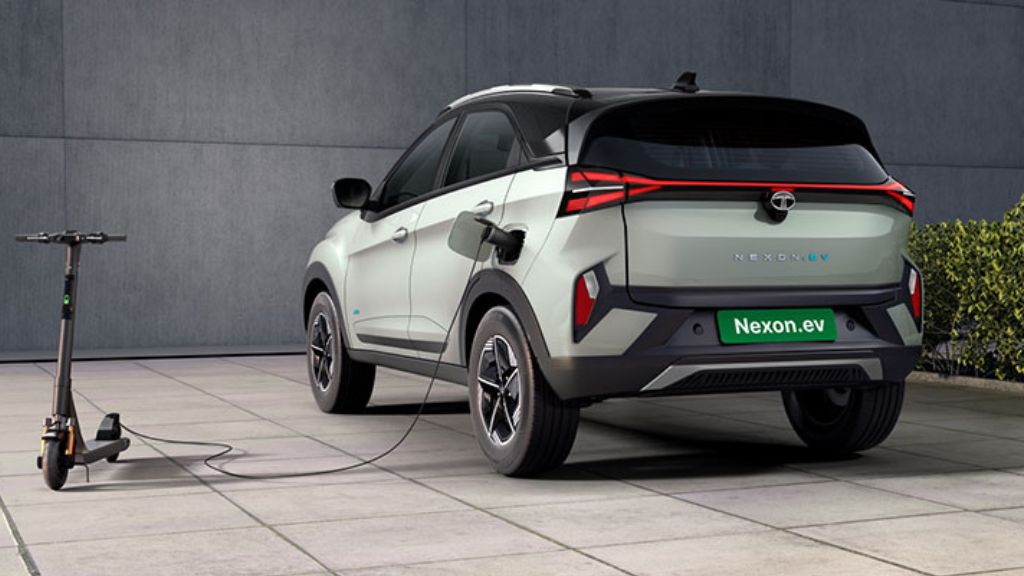
The current models already support fast charging, but I believe 2026 could improve DC fast charging times significantly.
Expected upgrades:
- 10–80% charge in under 45 minutes
- Enhanced home wall-box charging speed
- Smarter charging management via app
Honestly, if charging becomes this quick, road trips in an EV won’t feel stressful anymore.
3. Refreshed Exterior Design
Tata has been upgrading its design language lately, and I expect the 2026 Nexon EV to look sharper and more futuristic.
Possible design changes:
- Closed grille with illuminated elements
- Redesigned LED DRLs
- Aerodynamic alloy wheels
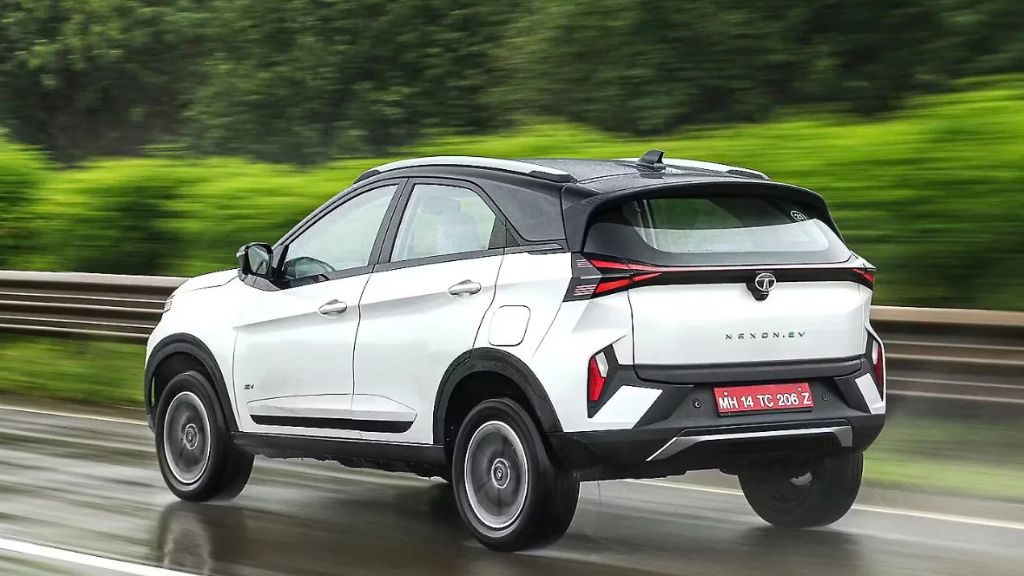
- Updated tail-lamp signature
The best part is Tata usually keeps the SUV stance strong. So we’ll likely get bold looks without losing practicality.
4. Smarter Interior & Bigger Screens
Let’s be real — buyers today want screens.
The 2026 Nexon EV could feature:
- Larger infotainment system (12-inch possible)
- Updated digital instrument cluster
- Wireless Android Auto & Apple CarPlay
- Ventilated seats (hopefully!)
- Improved cabin materials
Honestly speaking, Tata interiors have improved massively in the past few years. I expect the 2026 model to feel more premium than ever.
5. Advanced Safety & ADAS
Safety is something Tata is known for.
The Nexon already has a strong safety reputation. The 2026 model could add:
- Level 2 ADAS
- Adaptive cruise control
- Lane assist
- Blind spot monitoring
- 6–8 airbags standard
If this happens, it will compete directly with more expensive SUVs.
Expected Price of Tata Nexon EV 2026
Pricing will decide everything.
Currently, the Nexon EV sits in a sweet spot. I expect the 2026 model to start around:
₹15 lakh – ₹20 lakh (ex-showroom, expected)
Of course, battery size and variant will affect pricing.
Honestly, if Tata keeps it under ₹18 lakh for mid-variant, it will dominate again.
Real-World Ownership Experience – What I Think
Let me share something practical.
Most Indian families drive:
- 30–40 km daily
- Occasional weekend trips
- 1–2 long highway drives per month
With that usage pattern, even a 350 km real-world range is perfect.
And the best part is:
- No fuel station visits
- Minimal service cost
- Smooth driving
- Instant torque
Once you drive electric, going back to petrol feels strange.
Running Cost Comparison
Let’s break it down in simple terms.
Petrol SUV (Average):
- ₹6–8 per km fuel cost
Nexon EV:
- ₹1–1.5 per km electricity cost
That difference adds up massively over 5 years.
Honestly, this is where EVs quietly win.
Tata Nexon EV 2026 vs Petrol Nexon
Many buyers will still compare.
| Feature | Petrol Nexon | Nexon EV 2026 (Expected) |
|---|---|---|
| Fuel Cost | High | Very Low |
| Maintenance | Moderate | Lower |
| Pickup | Good | Instant torque |
| Noise | Engine noise | Silent |
| Tech | Good | Advanced EV tech |
If you live in a city and have home charging, the EV makes more sense.
Who Should Buy Tata Nexon EV 2026?
I’ll keep this honest.
Buy it if:
- You drive mostly in the city
- You can install home charging
- You want low running cost
- You care about environment
- You enjoy silent driving
Maybe wait if:
- You frequently travel 500+ km in a single stretch
- You don’t have reliable charging access
Government Policies & EV Growth in India
India is pushing EV adoption aggressively.
Subsidies, tax benefits, lower road tax — these policies make EV ownership easier.
FAME India Scheme has already supported EV growth significantly.
If policies continue, 2026 will be a great time to buy electric.
Competition in 2026
By 2026, competition will increase.
Possible rivals:
- Mahindra XUV400
- MG ZS EV
- Hyundai Kona Electric
But Tata’s advantage? Brand trust and pricing.
Driving Experience – Why EV Feels Different
The first time I drove an EV, I was surprised.
No vibration.
No gear shifts.
Just smooth acceleration.
The Nexon EV already offers strong instant torque. The 2026 version could improve motor efficiency and throttle response even more.
Honestly, city driving becomes stress-free.
Battery Warranty & Reliability
Tata typically offers strong battery warranties.
Expected:
- 8 years / 1,60,000 km battery warranty
That gives peace of mind.
Battery degradation is slower than most people think.
Long-Term Resale Value
Earlier, people worried about EV resale value.
Now things are changing.
As EV adoption increases, resale confidence improves.
If the 2026 Nexon EV maintains brand trust, resale should remain strong.
Environmental Impact
Switching to EV reduces:
- Tailpipe emissions
- Fuel consumption
- Urban air pollution
While electricity production still has emissions, EV efficiency is higher overall.
Honestly, even small changes matter.
10 Frequently Asked Questions (FAQs)
1. What is the expected launch date of Tata Nexon EV 2026?
It is expected to launch in 2026, though the official date is yet to be confirmed.
2. What will be the expected range?
It may offer 420–500 km claimed range depending on the battery variant.
3. What is the expected price?
Likely between ₹15–20 lakh (ex-showroom).
4. Will it support fast charging?
Yes, improved DC fast charging is expected.
5. Does it come with ADAS?
ADAS features may be introduced in higher variants.
6. What battery warranty will be offered?
Expected 8 years or 1,60,000 km warranty.
7. Is it good for long drives?
Yes, especially with fast charging infrastructure expanding.
8. How much does it cost per km?
Approximately ₹1–1.5 per km.
9. Is it safer than petrol version?
Likely similar or better, with added tech safety.
10. Should I wait for 2026 model?
If you’re not in a hurry, waiting could bring better features and range.
Final Thoughts
To be honest, the Tata Nexon EV 2026 feels like the next logical step in India’s electric journey.
We’ve already crossed the “EV experiment” phase. Now it’s about refinement. Better range. Better charging. Better tech.
If Tata gets the pricing right, I genuinely believe this SUV will continue ruling the electric segment.
And if you ask me personally?
If I had home charging and mostly city usage, I’d seriously consider it.
The future feels electric — and surprisingly, it doesn’t feel distant anymore.
2 thoughts on “Tata Nexon EV 2026: Expected Price, Range, Features, Battery & Real-World Review”