
I used to think electric scooters in India were basically a “rich-kid experiment.” Honestly speaking, just 2–3 years ago if you wanted an EV, you had to spend somewhere between ₹90,000 and ₹1.5 lakh. For a student, a coaching-going teenager, or someone commuting to office every day… that just didn’t feel practical at all.
Now things feel very different. And surprisingly, the change happened fast.
Batteries got cheaper, subsidies pushed companies a bit, and manufacturers finally understood something we already knew — India doesn’t run on performance bikes. We run on daily commuters. Most of us aren’t chasing 90 km/h speed. We just want a scooter that takes us to college, market, tuition, or office without the daily petrol headache.
That’s exactly why brands are now racing to launch electric scooters under ₹50,000.
I honestly believe this price segment is going to blow up in 2026.
So let’s talk properly — what models are coming, what features you’ll actually get, and the real question… should you buy one now or wait?
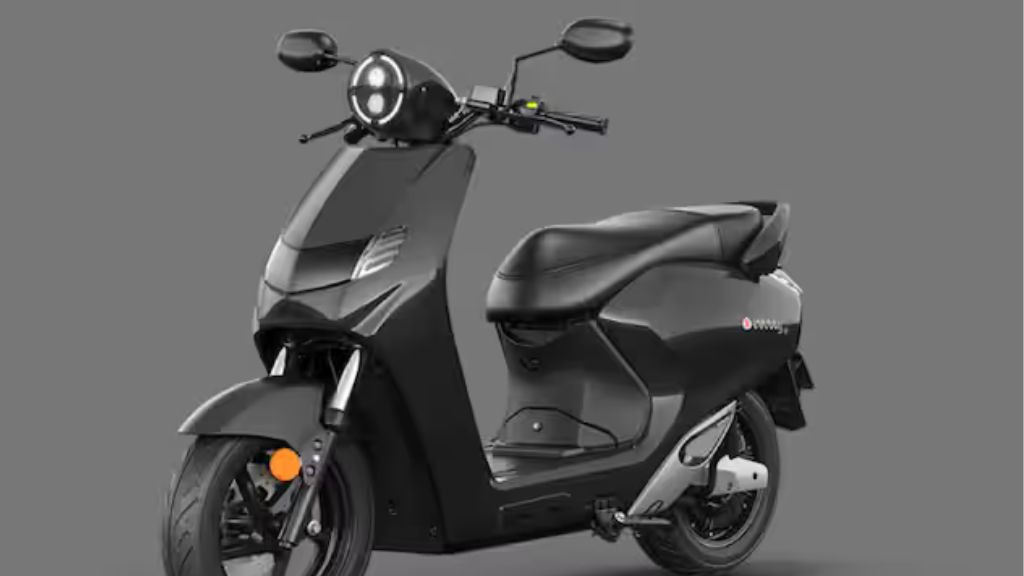
Why ₹50,000 Electric Scooters Suddenly Make Sense
Let me be blunt. The real reason is petrol.
In many cities petrol is hovering around ₹100–₹110 per litre. A normal petrol scooter gives roughly 40–45 km mileage. Do the math with me:
- Daily 20 km ride → about ₹50–₹60 petrol every day
- Monthly → ₹1,500–₹2,000 gone
- Yearly → more than ₹18,000
Now compare that with an electric scooter.
- One full charge → ₹8–₹15
- Monthly electricity → around ₹200–₹300
The best part is, you basically recover the scooter’s cost in 2–3 years just from fuel savings. That’s why students, delivery riders, shopkeepers, and even parents buying a first vehicle for their kids are getting interested.
What You’ll Actually Get at ₹50,000 (Be Realistic)
Let’s not expect miracles.
You won’t get racing speed.
No huge touchscreen.
No fancy mobile app.
No long highway touring.
But you will get a practical daily commuter. And honestly, that’s what most people need.
Typical specs look like this:
- Top speed: around 25 km/h
- License: usually not required
- Range: 50–80 km claimed
- Charging time: 4–6 hours
- Battery: lithium-ion or lead acid
- Purpose: city riding
These are called low-speed electric scooters. Basically built for everyday life, not for showing off.
Upcoming Electric Scooters Under ₹50,000 (India 2026)
1. Hero Electric Flash Lite (2026)
Hero Electric already sells tons of scooters in smaller towns. I’ve personally noticed how common the Flash has become.
Expected price: ₹45,000–₹50,000
What you’ll likely see:
- 250W motor
- 25 km/h top speed
- Around 60 km range
- Portable battery
- Home charging
- No registration
Why I think this one matters — service network. A cheap EV without service support becomes a problem after a year. Hero at least has reach.
2. Okinawa Lite Neo
Okinawa clearly wants the student market.
Expected price: around ₹48,000
Features:
- Lithium battery
- 60–70 km range
- LED headlamp
- Digital meter
- Detachable battery
The detachable battery is actually a big deal. If you live in a rented room or apartment, you just carry it upstairs and charge it like a phone.
3. Ujaas eGo LA (Updated)
Not a famous brand, but quietly growing in tier-2 and tier-3 towns.
Expected price: ₹40,000–₹45,000
Focus:
- Very low running cost
- Around 75 km claimed range
- Simple maintenance
- Daily utility
This one is clearly aimed at shop owners and rural users more than college riders.
4. Ampere Reo E (Next Gen)
Ampere scooters are known for comfort.
Expected price: ~₹49,000 after subsidy
Highlights:
- Lightweight
- Comfortable seat
- Good suspension
- Around 65 km range
Honestly, this could be perfect for older riders or women riders because handling is easy.
5. Bounce Infinity E1 (Budget Trim)
Here’s an interesting concept.
You don’t buy the battery.
You rent it.
Lower upfront cost, simple idea. Price expected close to ₹50,000 with subscription battery.
Range vs Reality (Important Truth)
Companies say 70–80 km range.
Real life? Around 50–60 km.
Traffic, braking, rider weight, road condition, battery ageing — all of this matters. I always tell people: assume 20% less than company claim. You won’t get disappointed.
Running Cost (This Part Shocked Me)
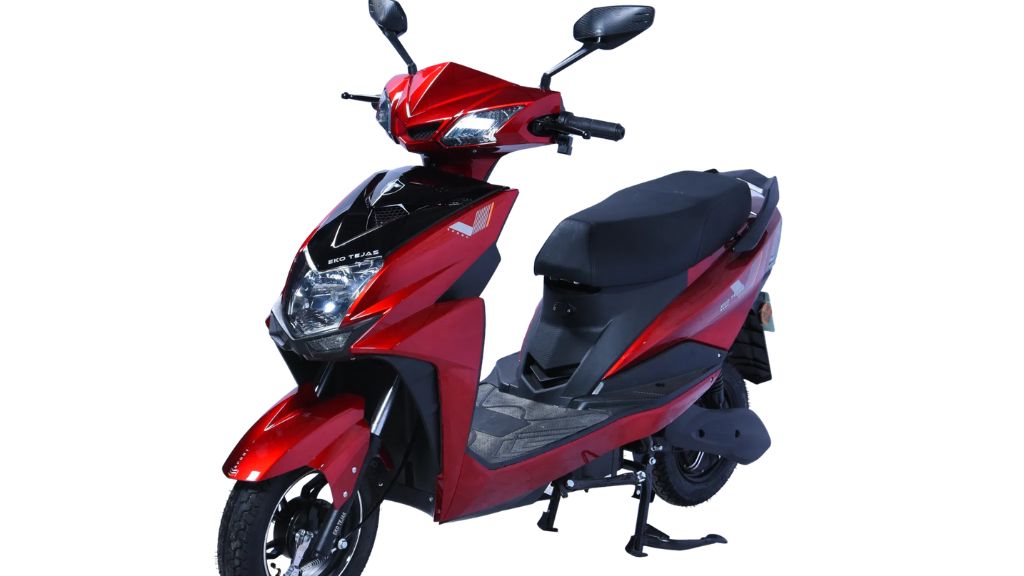
Typical battery: ~1.5 kWh
Electricity rate: ₹8/unit
Full charge:
1.5 × 8 = ₹12
If one charge gives 50 km →
Cost per km ≈ ₹0.24
Petrol scooter ≈ ₹2.5 per km.
We’re talking nearly 10× cheaper travel.
Who Should Buy
Perfect for:
- Students
- Coaching travel
- 5–10 km office commute
- Delivery riders
- Grocery shop owners
- Senior citizens
Not ideal for:
- Highways
- Long trips
- Daily double heavy riders
Lead Acid vs Lithium (Very Important)
Lead Acid:
- Cheap
- Heavy
- Lasts about 12–18 months
Lithium-ion:
- Lightweight
- 3–4 years life
- Faster charging
- Slightly expensive
Honestly, always try to choose lithium. It saves money later.
License & Registration Rule
If speed is below 25 km/h and motor under 250W:
No registration
No number plate
No driving license
That’s a huge reason why teenagers and students prefer these scooters.
Maintenance
This is my favorite part.
No engine oil.
No clutch.
No gearbox.
No spark plug.
Basically only brake pads, tyres, and battery after a few years.
Yearly service cost? Around ₹500–₹800.
Advantages
- Extremely low running cost
- Silent ride
- Very easy to ride
- Zero fuel tension
Disadvantages
- Slow speed
- Not highway safe
- Charging dependency
- Range anxiety
Buy Now or Wait?
Here’s my honest take.
Buy now if:
- You spend ₹1,500+ monthly on petrol
- Daily travel under 20 km
- You need a second vehicle
Wait if:
- You want speed
- You plan long rides
- You expect premium features
These scooters are practical machines, not fun machines.
The Bigger Picture
To be honest, India’s EV revolution won’t happen because of ₹1.5 lakh scooters.
It will happen because of ₹50,000 scooters.
Students, delivery workers, small shop owners — that’s the real two-wheeler market. And finally, companies seem to understand that.
Quick FAQs
1. Can I get one under ₹50,000?
Yes, low-speed scooters are launching around ₹40k–₹50k depending on subsidy and battery.
2. Driving license needed?
No, if speed is below 25 km/h and motor under 250W.
3. Real range?
About 50–60 km in daily city use.
4. Charging time?
Usually 4–6 hours at home.
5. Cost per charge?
Around ₹10–₹15.
6. Battery life?
Lithium battery roughly 3–4 years.
7. Registration required?
No for low-speed scooters.
8. Can two people ride?
Yes, but range drops.
9. Safe in rain?
Yes, just avoid deep water.
10. Worth buying?
For short daily travel — honestly, far cheaper than petrol.
1 thought on “Upcoming Electric Scooters Under ₹50,000 in India (2026) – Affordable EV Options for Budget Buyers”